

23 Oct Rules of Interior Design
As an interior designer, people usually assume that we follow current trends and design what we believe the client wants based on what’s circulating on Pinterest. This couldn’t be further from the truth. Good design is about following certain rules yes, but then adapting them to the suit the specified brief.
Within this blog, we take a look at some of the ‘design rules’ out there and whether you should or shouldn’t follow such rules.
If you google rules of interior design, the first thing that you normally come across is something called Basic principals. These are the way in which we have to analyse the space and design accordingly. Even this is conflicting . Some articles will tell you there are 7 basic principals of design, some 9 and some even 12. They are as follows: Contrast, balance, emphasis, proportion, repetition, hierarchy, rhythm, pattern, white space, movement, variety, and unity. We believe that simply taking the ones that you see to be the most important, will provide you with a good basis for your scheme.
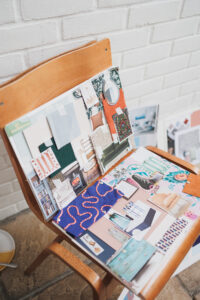

The most fun and creative way to get your interior space exactly how you want it, is to design a mood board. This is one rule we definitely believe should be followed. Its the first opportunity to see all your ideas come together before making any large and costly decisions. With every design we take on, we always put a board together. This means gathering samples and images and arranging them to see how one thing balances another. We hold workshops in Essex to help you create your own board if you enjoy getting creative.
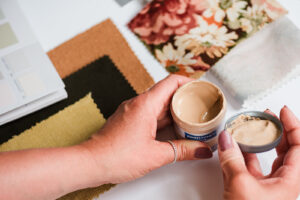
When it comes to colour, it can be very subjective. Its not necessarily the colour that needs to be specific, more how you use it and what shade to go for. Its not a rule as such but there are certain hues of paint that work better on certain facing walls. Companies such a Coat paints help you to choose a colour based on the position of the room and how much light it gets.
 .
. 
There is a guideline that states 60/30/10 proportions of colour. 60 % of the room has a background colour, 30% secondary and 10% an accent. We think you’ll find that you’re naturally implementing this when building your mood board, we certainly do when we design. Why not give it a try.
Alongside rules such as the balance of colour, you’ll find others like 70% of the floor should be covered by a rug (if the original flooring is hard) and there should be a 45cm gap between a sofa and central coffee table. In our opinion, rules like these should be taken with a pinch of salt. Its more important to identify how the space is used and how you want it to feel. For example if you want your space to be cosy, you may want to choose the largest rug possible to soften the space, however if you’re looking to implement a more social scheme, hard flooring may be more practical and less furniture a necessity. We encourage people to understand how their space is going to work for them.
When all is said and done, the most important thing to do when you believe your space is correct is to step back. Its often said that you can become to close to a project and not necessarily see its flaws. Take time to understand if you’ve achieved was what you set out to and if your interior is working for you. If the answer is no, this may be the time to call in the professionals and get an interior designer. We’d be happy to help you achieve your perfect interior, following your rules.

Remember that most rules are simply guidelines to ensure your house is pleasurable to spend time in.